

I was sitting in a coffee shop last week, eavesdropping on a conversation at the next table.
A young professional in a sharp suit was trying to impress his date. He leaned in, lowered his voice, and said, “I really love how we can conversate about anything.” I got the ick.
My inner grammar nerd was screaming. But then I stopped myself. Was he actually wrong? Or was I being a linguistic snob?
The debate between conversate vs converse is one of the most polarizing topics in the English language. If you use the word “conversate” in a corporate boardroom, you might get some serious side-eye. But if you use it in a rap lyric, you might win a Grammy.
Most people assume that “conversate” is a modern invention, a lazy shortcut created by people who don’t know the “real” word. But the truth is much more complicated.
Today, our expert content writers are going to dive deep into the origins of this controversial word, explore why people love to hate it, and finally settle the debate on whether you should ever use it.
The Anatomy of a Back-Formation
 To understand the conversate vs converse debate, we have to look at how words are born. “Conversate” is what linguists call a back-formation. This happens when people take an existing word, usually a noun, and chop off the ending to create a new verb.
In this case, people took the noun “conversation,” chopped off the “-ion” suffix, and added an “-e” to make “conversate.” It seems logical. If “donation” gives us “donate,” and “television” gives us “televise,” then why shouldn’t “conversation” give us “conversate”?
The problem is that the verb already existed. The original verb is “converse.” The noun “conversation” was actually built from the verb “converse,” not the other way around. Creating “conversate” is essentially reinventing the wheel. It’s a linguistic redundancy that drives English teachers absolutely crazy.
A 200-Year-Old “Mistake”
Now we’re at the part that usually shocks the grammar police…
“Conversate” is not a new word. It wasn’t invented by millennials on TikTok, and it wasn’t created by hip-hop artists in the 1990s. The earliest known written use of the word dates all the way back to 1811.
According to Merriam-Webster, the word appeared in a book called A Selection of Some of the Most Interesting Narratives. The author wrote about people “conversating with her ancient mother.” Throughout the 19th century, the word popped up in various regional dialects across the United States. It wasn’t tied to any specific race or culture; it was just a colloquialism that people used when they were conversating.
So, if it has been around for over two centuries, why is the conversate vs converse debate still raging today? Why do so many people insist that it isn’t a “real” word?
The Hip-Hop Connection
The modern controversy really kicked into high gear in the 1990s and early 2000s. Hip-hop and R&B artists began using “conversate” in their lyrics, bringing the word into mainstream pop culture. The Notorious B.I.G. famously rapped, “Conversate for a few, cause in a few, we gon’ do / What we came to do, ain’t that right boo?” in his hit song “Big Poppa.”
When artists like Biggie used the word, they weren’t making a mistake. They were making a stylistic choice. “Conversate” has a different rhythm and flow than “converse.” It adds an extra syllable that fits perfectly into a musical cadence. It also carries a specific cultural weight, signaling a casual, intimate, and authentic connection.
However, this mainstream exposure also brought mainstream criticism. People who were unfamiliar with the word’s history assumed it was just “bad English” popularized by musicians. The conversate vs converse debate became a proxy for larger cultural arguments about slang, dialect, and what constitutes “proper” language.
You’ve unlocked 10% off your first bill ?
Looking for outstanding copy that drives conversions? Book a free chat about your project and get 10% off your first bill when you quote “BLOG”.
Is Conversate a Real Word?
 The short answer is yes. It is in the dictionary. Merriam-Webster defines it as a synonym for “converse.”
But being in the dictionary does not mean a word is appropriate for every situation.
Linguists classify “conversate” as nonstandard English. This means it is not accepted in formal writing, academic papers, or professional communication. If you are writing a whitepaper, drafting a legal report, or giving a presentation to your board of directors, you should absolutely use “converse”, not “conversate”.
When to Use Which
So, how do you navigate the conversate vs converse minefield? It all comes down to context and audience.
If you are in a formal setting, always use “converse.” It is the standard, universally accepted verb.
If you are in a casual setting, hanging out with friends, or writing a creative piece where you want to capture a specific voice or dialect, “conversate” is perfectly fine. In fact, we’d say that it adds flavor and personality to your speech!
…Just be aware that some people might still judge you for it, even in a casual setting.
The Evolution of Language
The conversate vs converse debate is a perfect example of how language evolves. English is not a static, unchanging set of rules handed down from on high. It is a living, breathing entity that shifts and morphs based on how people use it.
Words that were once considered slang or “incorrect” often become standard over time.
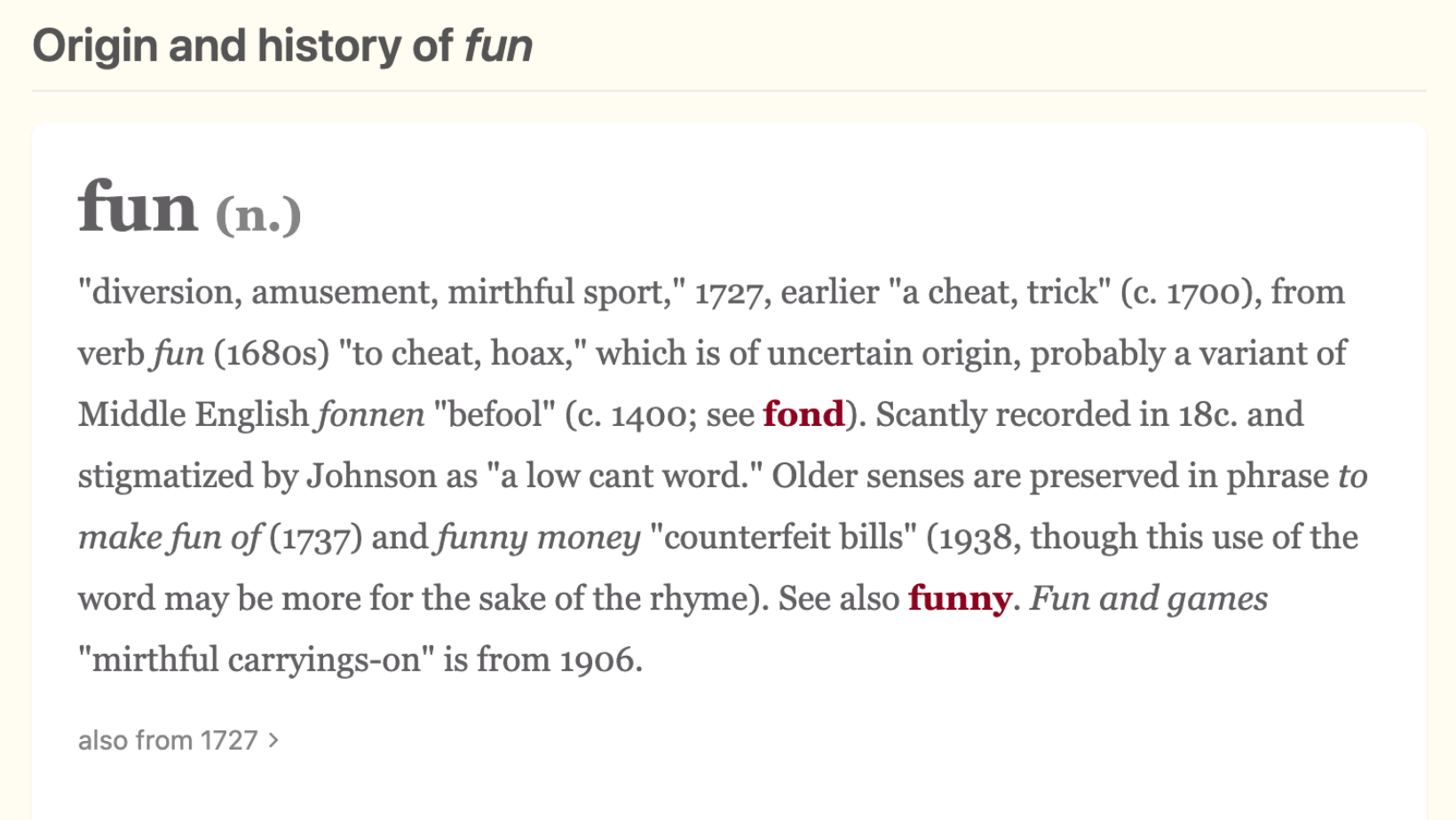 Think about the word “fun.” In the 18th century, it was considered a vulgar slang term. Today, it is one of the most common words in our vocabulary. Will “conversate” eventually become standard English? Only time will tell.
For now, it remains a fascinating linguistic quirk. A word that is simultaneously 200 years old and culturally relevant, grammatically redundant and musically perfect(?). It is a reminder that language is messy, complicated, and deeply human.
Embracing the Nuance of Communication
At the end of the day, the goal of language is communication.
Whether you choose to converse or conversate, the most important thing is that your message is understood. But understanding the nuances of these words gives you power. It allows you to choose the right tool for the right job, adapting your language to fit your audience and your goals.
If you want to master the art of communication and ensure your brand’s message always hits the right note, you need a strategy that goes beyond basic grammar. You need copywriting that connects, engages, and converts.
Book a consultation, and let’s elevate your brand’s voice.
Looking to hire a copywriter?
Our team of expert writers is poised pen-ready for your brief. Book a free call and let’s have a chat about how we can get that project off the ground.
Frequently Asked Questions
In standard, formal English, “conversate” is considered incorrect or nonstandard. The grammatically correct verb is “converse.”
However, “conversate” is recognized as a real word in many dictionaries because of its widespread use in casual speech and dialects.
“Conversing” is the standard present participle of the verb “converse.” “Conversating” is the nonstandard present participle of “conversate.”
Both mean the act of having a conversation, but “conversing” is the accepted term for formal use.
Short answer, yes. Long answer, it’s non-standard English, meaning you shouldn’t use this word in formal or academic settings.