When I first started sitting in on interviews as a senior copywriter, I thought my job was just to vet the portfolio.
I quickly realized that a great portfolio doesn’t always translate into a great teammate. I watched our team waste time and money on hires who could write a decent sentence but had no real understanding of content strategy, deadlines, or how to work with a team. It was frustrating, and it definitely slowed down our projects.
The problem wasn’t the candidates; the problem was our approach. We were focused on what they wrote, not how they thought. We were looking for technical skill when we should have been looking for business acumen. We needed a writer who could think like a marketer and a strategist, and could write killer copy all at once. It’s a lot to ask for, but it’s exactly what you need when you’re looking for a writer who can actually elevate your team.
In this post, we’ll cover the five essential copywriter interview questions I use to vet top talent, how to evaluate their copywriting portfolio, and the critical risks you avoid by hiring the right person.
Hiring the Wrong Copywriter Can Kill Your Business
 A lot of hiring managers treat the process like they’re just buying a commodity: a set number of words for a set price. But that’s a huge mistake. A copywriter isn’t just a word-assembler; they’re a revenue driver and a brand guardian.
The stakes are high. The U.S. Department of Labor estimates that a bad hire can cost a company at least 30% of the employee’s first-year earnings. That’s a massive hit to the budget, but the financial cost is only part of the problem. A poor hire in a writing role creates a ripple effect that damages your brand and strains your team.
Eroding Brand Trust with Poor Copy
Poor writing quality undermines trust and credibility, leading to a negative brand perception. If your copy is full of errors, sounds generic, or fails to deliver on its promise, customers will notice. Research shows that 71% of customers are likely to stop purchasing from a brand that breaks their trust. A copywriter is the voice of your brand, and if that voice is weak or inconsistent, you risk losing customers who are ready to buy.
Straining Team Morale and Productivity
A bad hire significantly disrupts the existing team’s morale and productivity. When a new writer can’t meet deadlines, requires constant editing, or lacks the purposeful thinking to work independently, the burden falls on the rest of the team. High-performing teams rely on trust and cooperation, and a single poor performer can quickly erode that foundation.
Compromising Client Goals
When a writer lacks tactical vision, they can compromise the very goals they were hired to achieve. They might focus on vanity metrics instead of conversions, or they might fail to balance SEO copywriting with human readability. The right writer looks at a project and asks how this moves the client’s business forward. The wrong writer just asks how quickly they can get it done.
You’ve unlocked 10% off your first bill ?
Looking for outstanding copy that drives conversions? Book a free chat about your project and get 10% off your first bill when you quote “BLOG”.
The 5 Questions That Reveal a Top-Tier Writer
I’ve boiled my entire interview process down to five core questions. These are the ones that consistently separate the people who just want a job from the people who want to be a part of your success.
1. How would you handle a client who insists on changes that actively hurt the content’s goals?
This question tests their ability to manage client relationships and their strategic problem-solving skills. I’m looking for a writer who can push back professionally and deliberately. For example, a client might demand excessive bullet points, which makes the copy read like it was generated by a low-quality AI, or they might want to remove a key conversion element.
A seasoned conversion copywriter knows that their job is to protect the client from themselves. I look for a response that involves asking smart, clarifying questions. They should talk about going back to the original brief, reminding the client of the primary goal, and presenting data-backed alternatives. Their answer should show they understand the copy is a tool, not a piece of art, and they are the expert responsible for its effectiveness.
2. How do you use AI tools to enhance your writing without losing your human voice?
This is the modern test of a writer’s relevance. I don’t want a writer who ignores AI, but I definitely don’t want one who relies on it to do the thinking. The good writers are using AI for research, brainstorming, and outlining.
The best writers will describe a rigorous human-first editing process where they strip out formulaic transitions and vague language that are hallmarks of AI-generated text. They should explain how they use AI to quickly generate variants of a headline or meta description while always making the final, human-edited selection.
Most importantly, they must demonstrate how they make sure the final output avoids the uncanny valley of AI writing by injecting personal anecdotes, unique perspectives, and brand-specific nuances that a machine simply cannot replicate.
3. How do you incorporate LLMO into your SEO copywriting process?
Large Language Model Optimization (LLMO) is the next frontier of search. I want to know if the candidate understands how to write for both traditional search engines and the AI-driven search experiences of the future.
A top-tier candidate will focus on entity optimization by identifying and including the specific concepts that AI models use to understand a topic’s context. They should also discuss structuring content to be easily parsed by AI models for featured snippets and direct answers.
This approach builds deep, comprehensive content that proves to an AI model that the brand is a credible source of information on a specific subject, establishing the kind of topical authority that traditional keyword stuffing can never achieve.
4. Tell me about a time you had to write for a product or service you personally disliked
This is my favorite behavioral interview question because it tests their professionalism and their ability to separate personal opinion from client need. Every writer, especially a freelance copywriter, will eventually have a client whose product or service they don’t feel passionate about. The best writers find the one genuine benefit they can latch onto and write from that perspective.
A great answer will focus on the process, looking at how they researched the target audience, found a compelling angle that wasn’t about their own feelings, and delivered a successful project.
A poor answer will involve complaining about the product and missing the benefits that address the target audience’s painpoints. An answer like that tells you they lack the necessary professional detachment.
5. Describe a time you had to completely change your writing style to match a new brand voice
This question assesses their versatility and adaptability, which is crucial for any freelance copywriter or agency writer. Your brand voice is unique, and you need a writer who can shed their personal style and adopt yours.
I want to hear a story where they successfully transitioned from one extreme to another, like from a very technical, jargon-heavy client to a fun, casual e-commerce client. The key takeaway should be their process for analyzing the new tone of voice.
Did they study the client’s existing website, create a style guide for themselves, or study the competitor’s tone? Their answer should show they have a systematic way of getting into character for a new client.
How a Copywriter Portfolio Shows Business Value
While these copywriter interview questions are the main event, the copywriting portfolio serves as the necessary proof of their claims. I use the portfolio to confirm the methodical depth a candidate describes during the interview. A high-quality portfolio must demonstrate variety across long-form content, short-form ads, and email sequences to prove the writer can handle a diverse workload.
The most effective portfolios focus on measurable results. I look for case studies or testimonials that speak directly to the impact of their work on a client’s bottom line. A writer who includes data on conversion rates or engagement metrics shows they understand the business value of their craft. At the end of the day, copywriting is about selling.
When a strong portfolio aligns with sharp, thoughtful answers during the interview, you have a reliable predictor of a successful hire.
Hire the Pros That Protect Your Brand
Finding the right writer is tough, but it’s worth the effort. The person you hire will be the voice of your company, and you can’t afford to get that wrong. By focusing on strategic thinking and professional behavior, you’ll be able to filter out the time-wasters and find the person who will truly elevate your marketing efforts.
Ready to stop wasting time and finally have content that converts?
Book a free chat and find the voice your business deserves.
Looking to hire a copywriter?
Our team of expert writers is poised pen-ready for your brief. Book a free call and let’s have a chat about how we can get that project off the ground.
Frequently Asked Questions
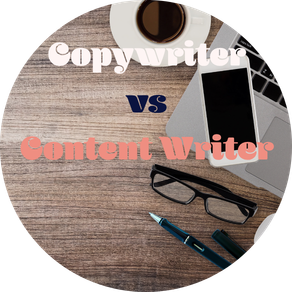
A copywriter primarily focuses on conversion copy, which tries persuade a reader to take an immediate action, like buying a product or signing up for a newsletter. A content writer focuses on long-form content, like blog posts and articles, designed to build brand awareness, establish authority, and improve SEO copywriting rankings. While there’s overlap, the copywriter is typically more focused on direct sales and marketing goals.
The best way to test a freelance copywriter is to give them a small test project. Provide them with a sample of your existing content and a short brief for a new piece. This gives you a chance to see how well they can analyze your brand voice and apply it to a new assignment under a real deadline. It’s a much better indicator than just asking copywriter interview questions about it.
In addition to writing skills, the most important qualities are strategic thinking, professionalism, and adaptability. Strategic thinking means they understand how their words fit into your overall content strategy. Professionalism means they can handle vague feedback and meet deadlines. Adaptability means they can switch between different brand voices and content types, from a technical white paper to a casual social media post.
Hiring the Wrong Copywriter Can Kill Your Business
The 5 Questions That Reveal a Top-Tier Writer
- How would you handle a client who insists on changes that actively hurt the content’s goals?
- How do you use AI tools to enhance your writing without losing your human voice?
- How do you incorporate LLMO into your SEO copywriting process?
- Tell me about a time you had to write for a product or service you personally disliked
- Describe a time you had to completely change your writing style to match a new brand voice