
The best copywriters use AI (and if they don’t, they’re probably lying to you).
I remember the first time I saw a piece of content written by an AI. The words and grammar were technically correct, but something about the content just felt… off.
My initial reaction was a mix of relief and skepticism. Relief that my job as a human copywriter was safe, and skepticism that these tools would ever be more than a novelty.
Fast forward to today, and everything (including my own outlook on AI) has completely changed. AI itself, along with AI copywriting tools, has become incredibly sophisticated. And now, the question for professional copywriters is no longer if you should use them, but how you should use them, and which tools are actually worth using.
As someone who has built a career on the power of human-led content, I’ve approached this new era with a healthy dose of caution. I’ve seen the good, the bad, and the downright ugly of AI-generated content. I’ve seen businesses waste thousands of dollars on tools that promised the world, and I’ve read countless lines of copy that somehow say everything but absolutely nothing at the same time.
But I’ve also seen the other side. I’ve seen how the right AI copywriter tool, in the hands of a skilled marketer or writer, can be a powerful assistant. It can help you break through writer’s block, generate ideas you hadn’t even considered, and handle the repetitive, time-consuming tasks that can slow down the creative process.
So in this guide, I’m sharing my honest, unfiltered take on the best AI copywriter tools available right now, plus some practical guidance on how to use them without sounding like everyone else.
Let’s get to it!
Breaking Down the Best AI Copywriter Tools
Over the past year or so, I’ve spent countless hours testing and analyzing the best AI copywriter tools on the market. I’ve put them through their paces, using them to write just about every type of content you can think of.
So to kick things off, let’s start with a tool that sets a high bar for long-form content: Jasper.
Jasper: The Agency and Content Team Powerhouse
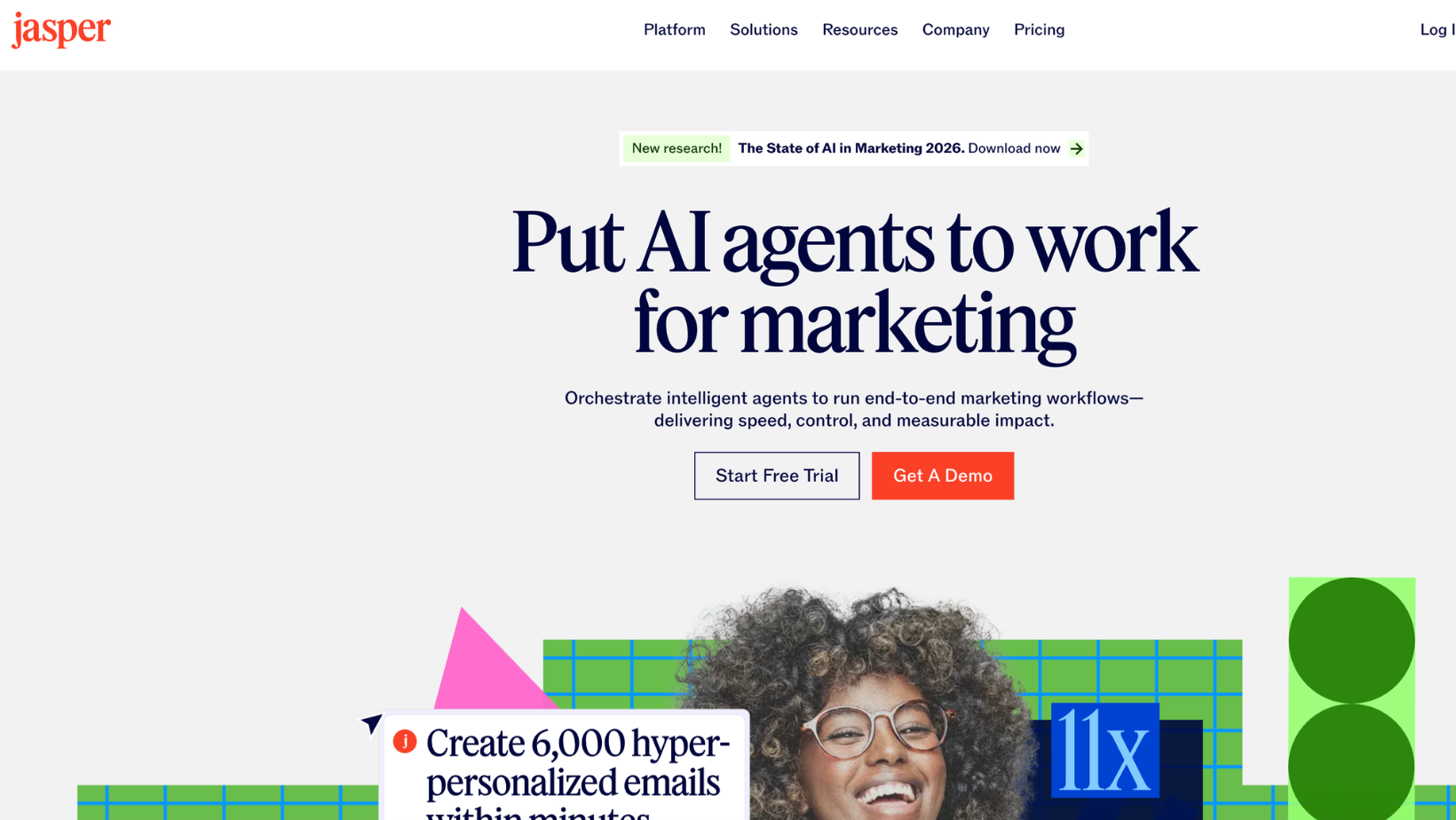 Best for: Agencies, content marketing teams, and businesses that need to produce a high volume of long-form content.
Jasper, formerly Jarvis, has been around for a while, and it shows in how polished the platform feels. It’s built for serious content work, especially long-form writing. When I tested it, the editor felt familiar (very similar to Google Docs), so it’s easy to get started without a learning curve.
What stood out most was the brand voice feature. You can train Jasper using your own content, and it does a solid job of keeping that tone consistent across different pieces. For teams or agencies managing multiple clients, that’s a major advantage.
It also integrates with Surfer SEO, which lets you optimize content as you write. It’s a useful setup if search performance matters to you, though it does require an extra subscription.
The main drawback is the price, starting at $49 per month. That may feel steep for solo users. But for teams producing a high volume of content, Jasper offers a strong, well-rounded platform.
Copy.ai: The Short-Form and Ad Copy Specialist
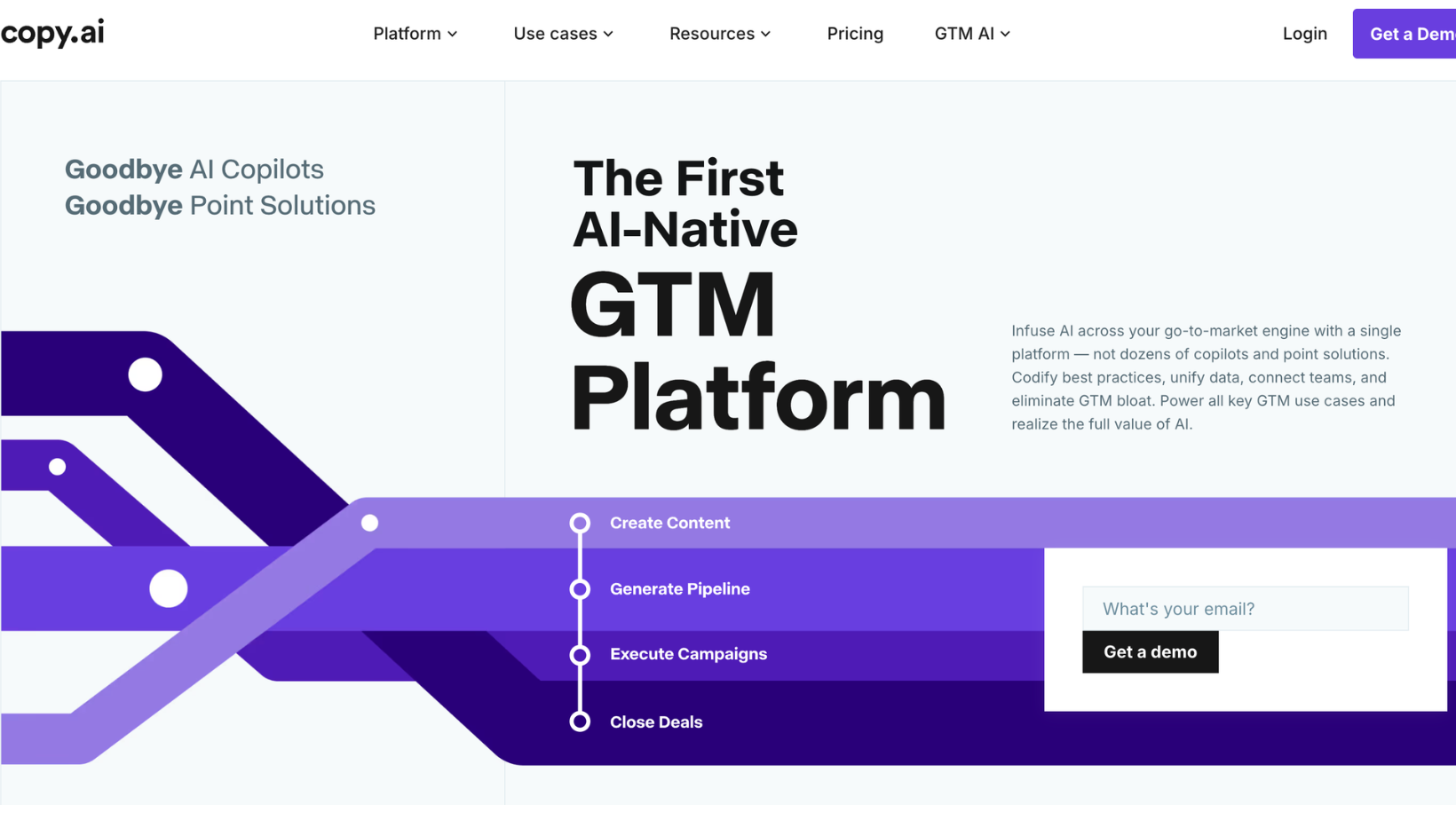 Best for: Marketers, social media managers, and ecommerce businesses that need to generate a lot of short-form copy quickly.
If you’re looking for a tool to help you write short-form content (think ad copy, social posts, and product descriptions), Copy.ai is your best bet. When I tested it, I was able to generate multiple ad variations in minutes, and many were usable with minimal edits.
The interface is simple and easy to navigate, so it’s a good option if you’re new to AI tools. The “infobase” feature is also useful, allowing you to store key details about your business and reuse them, which can actually save you a ton of time (and improve consistency across teams and channels).
There’s a free plan with up to 2,000 words per month, and paid plans start at $36. It’s not the strongest choice for long-form content, but for high-volume, short-form copy, it’s a great shout.
Writesonic: The Budget-Friendly All-Rounder
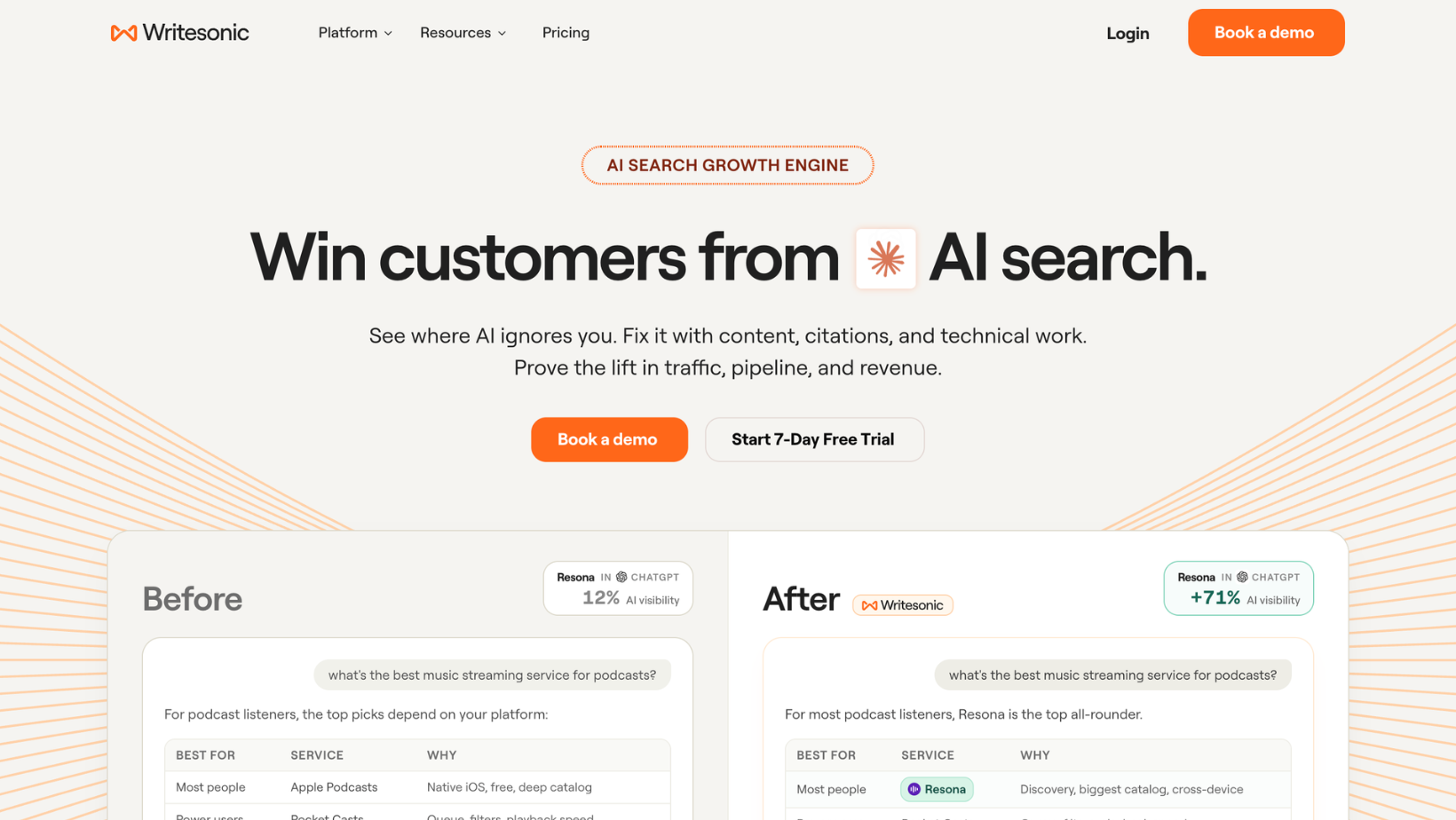 Best for: Freelancers, small businesses, and anyone looking for a versatile AI writer without a hefty price tag.
Writesonic aims to be an all-in-one content tool, and for the most part, it delivers on that promise. You can use it for blog posts, landing pages, ad copy, and even paraphrasing. In my testing, the output was a bit inconsistent compared to higher-end tools, but with some editing, it’s more than usable.
What stands out is the price. Plans start at $19 per month, and there’s a free option with 10,000 words, which makes it easy to try without much risk.
The interface is clean and simple, and new features are added regularly. It may not be as advanced as some competitors, but for freelancers and small businesses, it’s a flexible (and affordable!) option that can handle a wide range of tasks.
Rytr: The Beginner-Friendly and Budget-Conscious Choice
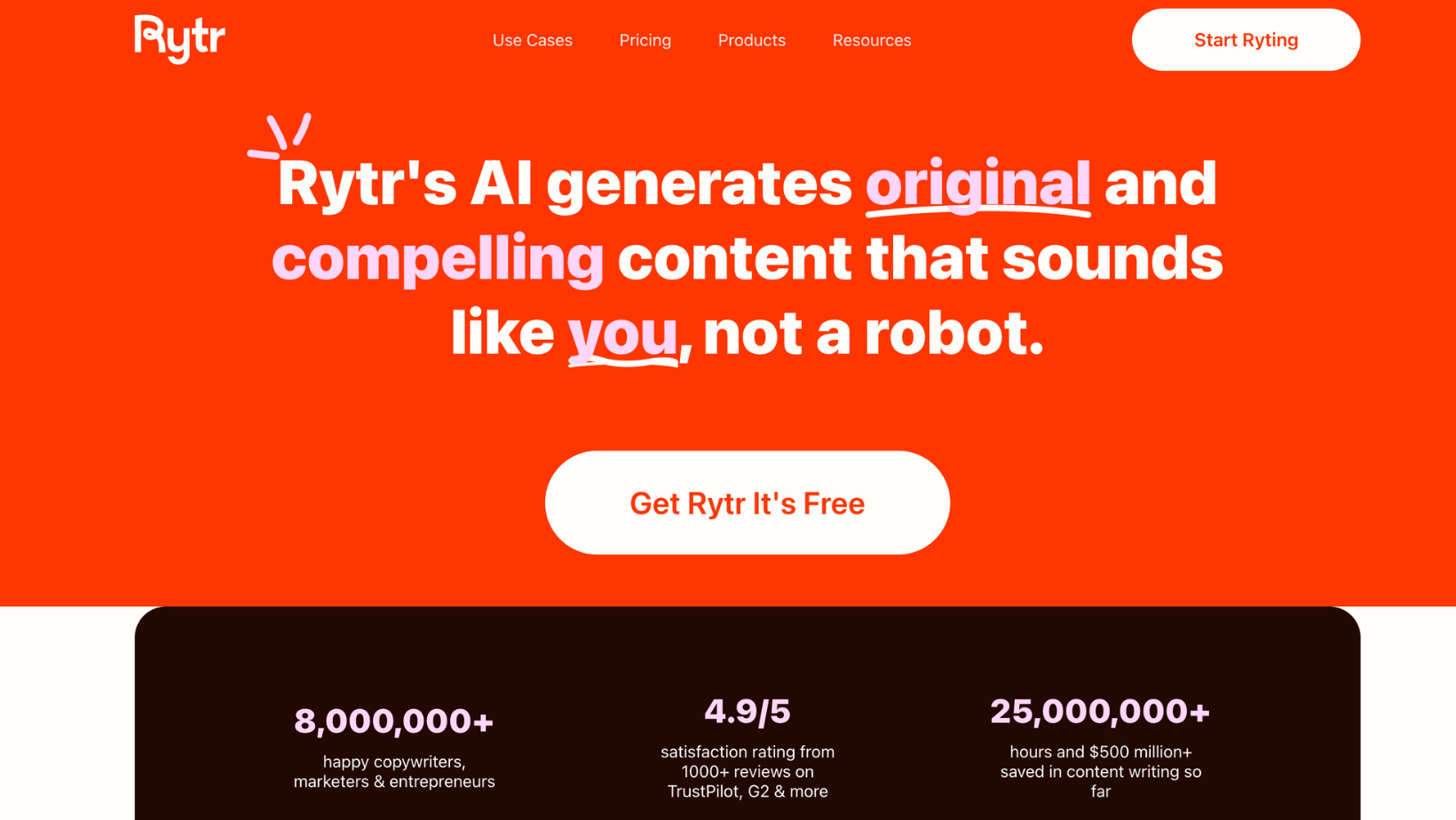 Best for: Beginners, students, and anyone who needs a simple, affordable AI writer for short-form content.
Another budget-friendly option is Rytr, which offers a lifetime free plan that allows you to generate up to 10,000 characters per month. This is more than enough to get a feel for the platform, and if you need to use it more, the paid plans are also very affordable (starting at just $9 per month).
But don’t let the low price fool you. Rytr is surprisingly capable and includes 40+ use cases (including blog intros, emails, ad copy, and video descriptions). The output isn’t as refined as higher-end tools, but if you’ve got a good copywriter on hand, it does the job well and will save them a ton of time. There’s also a built-in plagiarism checker, which is a useful addition.
While Rytr isn’t the best choice for long-form content at scale, it’s still one of the best free AI copywriter tools available for teams who want a dedicated writing assistant for smaller content pieces.
ChatGPT: The Versatile and Ever-Present Assistant
 Best for: Everyone. It’s like the Swiss Army knife of AI writing, working well for brainstorming, drafting, rewriting, and editing.
No list of AI copywriter tools would be complete without mentioning ChatGPT. While it’s not a dedicated copywriting tool in the same way as the others on this list, it’s an incredibly versatile and powerful assistant that can be used for a wide range of writing tasks.
I use it almost every day to help with things like brainstorming, outlining, and rephrasing awkward sentences. All you have to do is ask it to do what you want, and it will do its best to deliver. The quality of the output can vary depending on the complexity of the task and the quality of your prompt, but with a little practice, you can learn how to get consistently good results.
The free version of ChatGPT uses the GPT-3.5 model, which is more than capable for most writing tasks. The paid version, ChatGPT Plus, gives you access to the more powerful GPT-4 model, as well as other advanced features. At $20 per month, it’s a great value for the money.
While ChatGPT doesn’t have the built-in SEO tools of Jasper or the extensive template library of Copy.ai, its versatility is what makes it an essential tool for any writer or marketer.
Copywriter-Approved Tips for Using AI in Copywriting (So You Don’t Sound Like Everyone Else)
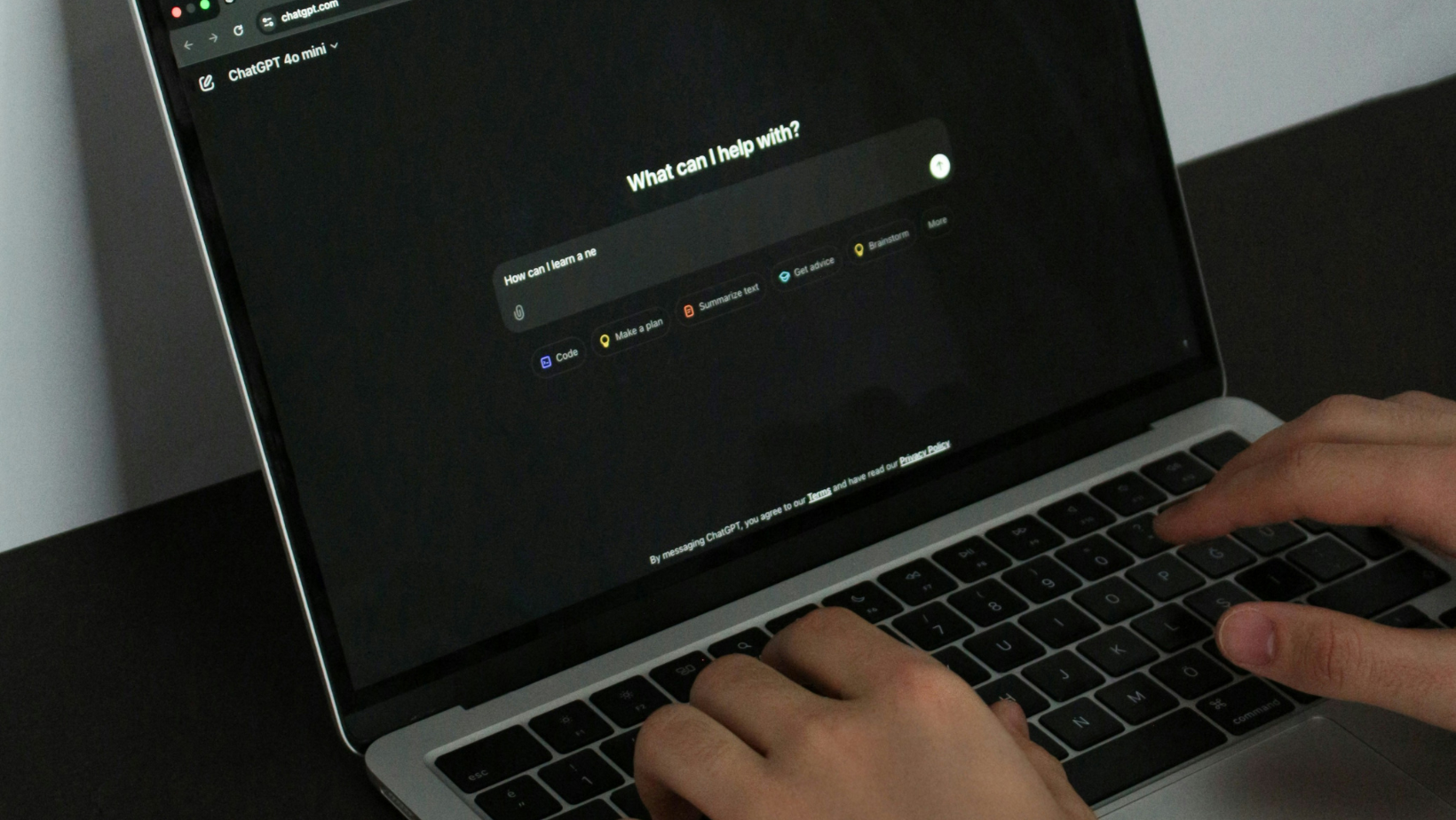 Before we get to the final recommendations, I want to address something that doesn’t get talked about enough in these kinds of roundups: how to actually use these tools to create your very best work in as little time as possible, without sounding like everyone else who uses AI.
Here are the habits that (in my experience) make the biggest difference.
Treat AI output as a first draft, not a finished product
I’ve seen too many businesses publish AI-generated copy without any human review, and it shows. The content might be technically accurate and grammatically correct, but it often lacks the specificity, personality, and strategic thinking that make copy actually convert. Every piece of AI-generated content should pass through a human editor who understands the brand, the audience, and the goal of the piece.
Watch for AI-isms
If you write a lot of content using AI, it’s easy to become noseblind to the many different “AI-isms” or common patterns that scream AI, such as overused transitions and obvious repetition. Other filler phrases like “let’s dive in” and “in today’s fast-paced digital world” are also common giveaways and should be cut during editing.
If you want a deeper look at what that sounds like, our guide on AI vs human writing breaks it down in more detail.
Prompt quality is everything
Vague inputs produce vague outputs. The more context you give the AI (your target audience, the tone you want, the specific pain points you’re addressing, the action you want the reader to take), the better the result will be. I always recommend writing your prompts as if you were briefing a junior copywriter on their first day. Include the who, the what, the why, and the desired outcome. It takes an extra few minutes, but it dramatically improves the quality of what you get back.
Check the facts
Another practice worth building into your workflow is fact-checking. AI tools can and do produce inaccurate information (called hallucinations) with complete confidence.
That means statistics, dates, product claims, and technical details should always be verified against a primary source before publishing. This is especially important for industries like finance, health, or law, where inaccurate information can cause real harm and real liability.
Think carefully about brand voice
Most AI tools can mimic a general tone, but they don’t inherently know what makes your brand distinct. The businesses that get the most value from these copywriter tools are the ones that invest time upfront in training the AI on their brand voice by uploading existing content, providing detailed style guides, and reviewing outputs critically against their brand standards. The more you treat the AI as a collaborator rather than a content machine, the better the results will be.
You’ve unlocked 10% off your first bill ?
Looking for outstanding copy that drives conversions? Book a free chat about your project and get 10% off your first bill when you quote “BLOG”.
The Best AI Copywriter Tools Compared
So, how do the best AI tools in 2026 stack up against each other?
Here’s a quick recap of each tool covered in this article, so you can see how each tool compares on features, pricing, and use cases.
| Best AI Copywriter Software at a Glance | ||||
|---|---|---|---|---|
| Tool | Best For | Starting Price | Free Plan | Notable Features |
| Jasper | Long-form content & agencies | $49/month | No | Brand voice, SEO mode, team collaboration |
| Copy.ai | Ad copy & short-form marketing | $36/month | Yes | Ad templates, tone control, workflow automation |
| Writesonic | Budget-friendly all-round use | $19/month | Yes | AI writer + SEO mode, API access |
| Rytr | Beginners & short-form content | $9/month | Yes (10k chars/mo) | 40+ use cases, plagiarism checker |
| ChatGPT | Versatile use & brainstorming | $20/month (Plus) | Yes (GPT-3.5) | Conversational interface, highly versatile |
Strong Copy Still Needs a Human Behind It
All in all, AI can be an invaluable partner that helps you produce more content at a faster pace. But the key thing to remember is that AI tools are just that: tools. And like any tool, their effectiveness depends on the person using them.
So support your copywriters, give them space to think, question, and refine, and empower them with the tools they need to deliver their very best work.
If you’re curious about how we use AI at Empowered English to bring content strategies to life (and drive real results while we’re at it), I’d love to invite you to have an informal chat. We’ll look at how you’re currently using AI, where things might be falling short, and how to get better results without adding more to your plate.
Book a consultation with us today to get started!
Looking to hire a copywriter?
Our team of expert writers is poised pen-ready for your brief. Book a free call and let’s have a chat about how we can get that project off the ground.
Frequently Asked Questions About the Best AI Copywriter Tools
Yes, there are several excellent free AI copywriter tools available. Rytr offers a lifetime free plan that allows you to generate up to 10,000 characters per month. Copy.ai also has a free plan with a 2,000-word limit. And of course, the free version of ChatGPT is an incredibly powerful and versatile tool that can be used for a wide range of writing tasks.
While the free plans have limitations, they are a great way to get a feel for the platforms and see if they’re a good fit for your needs.
The best AI copywriter tools depend on your specific needs. For long-form content and SEO, Jasper is a top contender. For ad copy and short-form marketing content, Copy.ai and Anyword are also excellent choices. And if you’re on a budget, Writesonic and Rytr offer great value for the money.
ChatGPT is also an essential tool for any writer or marketer. I’d recommend trying out a few different tools to see which one works best for your workflow.
Not in any meaningful sense, at least not yet. AI copywriter tools are genuinely useful for generating first drafts and overcoming writer’s block. But they lack the strategic thinking, emotional intelligence, and brand understanding that a skilled human copywriter brings to the table.
The best results come from a combination of both: using AI to speed up the production process while relying on human judgment to shape, refine, and elevate the final output.
The single biggest factor in getting good output from any AI copywriter is the quality of your prompt. Be specific about your target audience, the tone you want, the goal of the piece, and any key messages you want to include. Treat the AI like a junior writer who needs a detailed brief; the more context you provide, the better the result.
Breaking Down the Best AI Copywriter Tools
- Jasper: The Agency and Content Team Powerhouse
- Copy.ai: The Short-Form and Ad Copy Specialist
- Writesonic: The Budget-Friendly All-Rounder
- Rytr: The Beginner-Friendly and Budget-Conscious Choice
- ChatGPT: The Versatile and Ever-Present Assistant
Copywriter-Approved Tips for Using AI in Copywriting (So You Don’t Sound Like Everyone Else)
- Treat AI output as a first draft, not a finished product
- Watch for AI-isms
- Prompt quality is everything
- Check the facts
- Think carefully about brand voice