Before I became a copywriter, I always thought of case studies as the boring, corporate cousins of the content writing world.
They were the stuffy, formal documents that got buried on a website’s resource page, collecting digital dust.
I completely changed my mind when I saw a case study actually work in the wild. I had a client who was hitting a wall trying to close a major deal. The prospect liked what they heard, but they were dragging their feet. They understood the service on paper, but they couldn’t picture what it would actually do for their business.
Spur of the moment, my client decided to send over a case study they had just finished putting together. It broke down exactly how a similar company had tackled the exact same problems this prospect was dealing with.
The next day, the prospect called back. The deal was closed. The case study hadn’t just told them; it had shown them. It transformed an abstract promise into a tangible, believable result.
That’s when I truly understood. Learning how to write a case study isn’t about creating a dry report. It’s about mastering the art of storytelling for business. It’s about providing concrete proof that you can do what you say you can do. It’s your single most powerful tool for turning interested prospects into confident buyers.
This guide will walk you through how to write a business case study from a strategic perspective. We’ll cover why you need them, where they fit in your sales process, and a step-by-step method for creating compelling narratives that drive real business growth.
Why Your Business Needs Case Studies
 With every person in the modern world inundated with marketing messages, trust is the most valuable currency. Your potential customers are skeptical. They’ve heard all the promises before. They don’t want to be told how great you are; they want to be shown.
This is where case studies come in. They are the ultimate form of social proof.
While a testimonial is a nice soundbite, a case study is the full story. It provides context, details the struggle, and, most importantly, showcases the measurable results. According to a report from the Content Marketing Institute, case studies are one of the most effective formats for B2B content marketing, especially in the later stages of the buyer’s journey.
They build credibility, they overcome objections, and they give your sales team the ammunition they need to close deals. A well-crafted case study is a silent salesperson working for you 24/7.
Where Case Studies Fit in Your Content Funnel
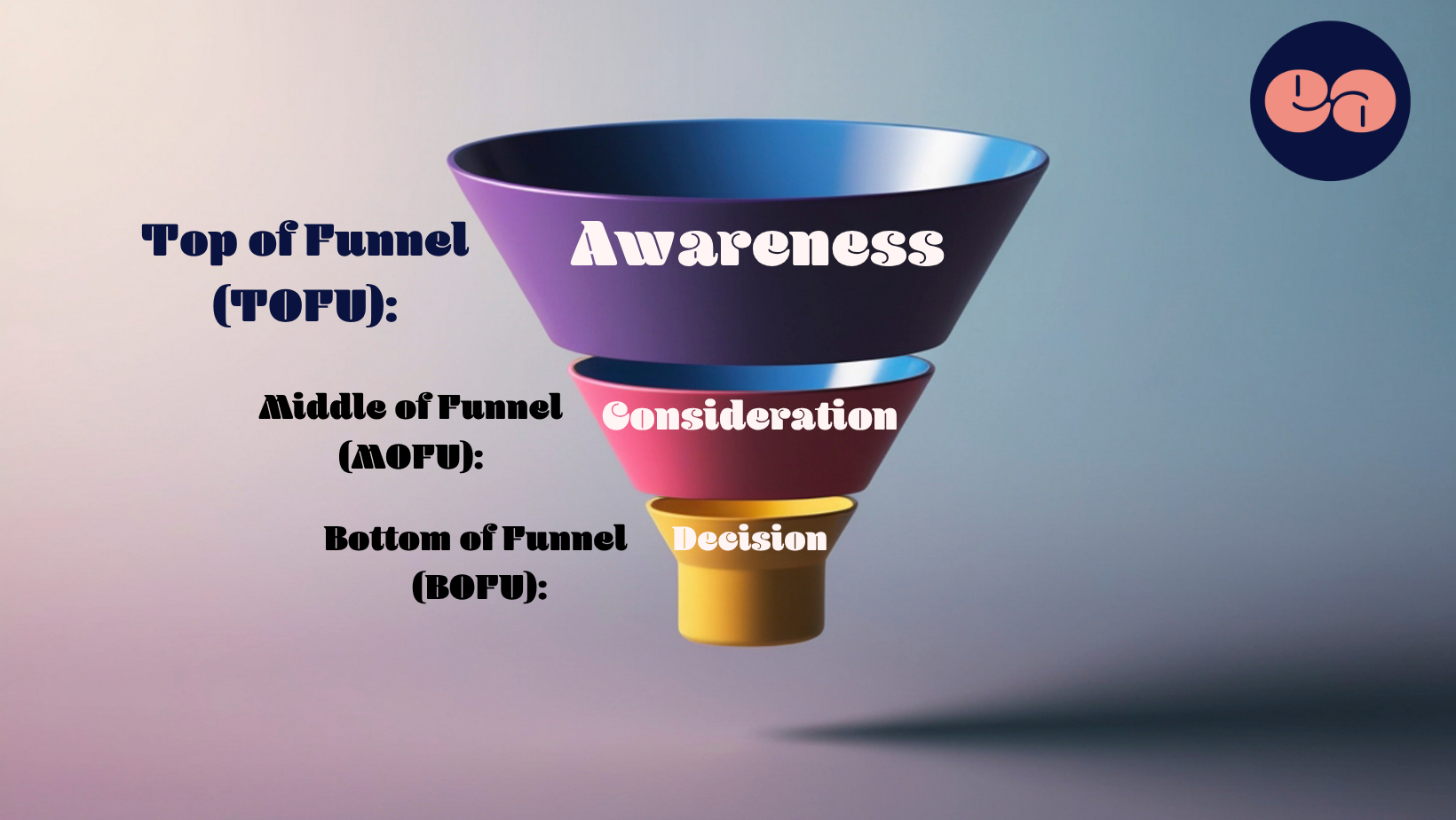 Not all content is created equal. Different content formats serve different purposes at different stages of the customer journey. It’s crucial to understand where case studies have the most impact. Let’s look at the classic content marketing funnel:
Top of Funnel (TOFU): Awareness
At this stage, people are just becoming aware of a problem or need. They’re looking for information, not solutions. Content here includes blog posts, infographics, and social media updates. The goal is to educate and attract an audience.
Middle of Funnel (MOFU): Consideration
Now, prospects are actively researching and comparing solutions to their problem. They’re looking for more in-depth content like white papers, webinars, and comparison guides. The goal is to nurture leads and position your business as a credible option.
Bottom of Funnel (BOFU): Decision
This is the final stage. Prospects are ready to make a purchase. They are evaluating vendors and looking for proof that a specific solution is the right choice for them. The goal is to convert leads into customers.
Case studies are the undisputed champions of the Bottom of the Funnel (BOFU).
When a prospect is at the decision stage, they don’t need more blog posts explaining their problem. They need to see that you can solve it. A case study provides that final, crucial piece of evidence. It answers the question, “Has this company done this before for someone like me?”
How to Write a Case Study in 6 Simple Steps
Ready to create a powerful sales asset? Let’s break down the process.
Step 1: Identify the Right Customer and Story
Not every customer is a good fit for a case study. You’re looking for a specific combination of factors:
- A recognizable name (if possible): A case study with a well-known brand carries more weight, but it’s not essential.
- Impressive, measurable results: This is non-negotiable. You need concrete data. A 150% increase in leads, a 40% reduction in costs, and a 3x increase in conversion rates are the numbers that make a case study compelling.
- An enthusiastic champion: You need a client who is genuinely happy with your work and is willing to be quoted and featured. Their enthusiasm will shine through.
Step 2: Conduct a Great Interview
The heart of your case study is the customer’s own words. Your job is to be a journalist. Get on the phone or a video call and ask open-ended questions to draw out their story.
Don’t just ask, “Are you happy with the results?” Ask questions like:
- “What was life like before you started working with us? What were the biggest challenges you were facing?”
- “What was the ‘aha’ moment when you knew you had to find a solution?”
- “What were your criteria for choosing a partner, and why did you choose us?”
- “Can you walk me through the implementation process? How was that experience?”
- “What are the specific, measurable results you’ve seen? Can you share any numbers?”
- “What has been the biggest impact on your business since achieving these results?”
Record the call (with permission!) so you can pull out powerful, authentic quotes later.
Step 3: Structure Your Narrative (The Classic Formula)
Every great story has a beginning, a middle, and an end. A case study is no different. The classic structure is simple and effective:
- The Challenge: Introduce the customer and describe the specific problem they were facing. Set the scene and establish the stakes.
- The Solution: Detail how your product or service was implemented to address the challenge. This is where you explain the how.
- The Results: Showcase the incredible, measurable outcomes the customer achieved. This is the climax of your story.
This simple Problem-Agitate-Solve framework is the backbone of almost every effective how to write a case study example you’ll find.
Step 4: Write a Compelling Headline
Your headline needs to summarize the entire success story in a single, powerful line. The best headlines include the client’s name and the most impressive result.
- Boring: “A Case Study with Company X”
- Compelling: “How Company X Increased Revenue by 75% in Six Months with Our Solution”
Step 5: Craft the Body of the Case Study
Now, flesh out your structure with the details from your interview.
| Section | Content |
| Introduction | Briefly introduce the client and tease the incredible result they achieved. |
| The Challenge | Go into detail about the pain points the client was experiencing. Use their own words to make it relatable. |
| The Solution | Explain exactly what you did. What was the strategy? Which features of your product were used? Keep this section focused on the actions taken. |
| The Results | This is the most important part. Lead with your most impressive statistic. Use bullet points, bold text, and even charts or graphs to make the results impossible to miss. Include a powerful quote from the client that reinforces the success. |
Step 6: Conclude with a Strong Call to Action
End your case study by summarizing the success and inviting the reader to experience similar results. The call to action should be clear and direct.
You’ve unlocked 10% off your first bill ?
Looking for outstanding copy that drives conversions? Book a free chat about your project and get 10% off your first bill when you quote “BLOG”.
From Success Story to Sales Engine
Learning how to write a case study is a skill that pays dividends long after you hit publish. It’s more than just content; it’s a strategic asset. It’s proof. It’s a tool that empowers your sales team, builds unshakable trust with your prospects, and works to close deals in the background.
Stop telling people how great you are. Start showing them. The results will speak for themselves.
If you’re ready to turn your customer successes into your most powerful marketing assets, Empowered English can help you craft compelling case studies that close deals. Grab a quick, free chat with the team, and we can build a strategy to showcase your wins.
Looking to hire a copywriter?
Our team of expert writers is poised pen-ready for your brief. Book a free call and let’s have a chat about how we can get that project off the ground.
Frequently Asked Questions
Typically, a good case study is between 500 and 1,500 words. The goal is to be detailed enough to be credible but concise enough to be easily read. Some of the best case studies are presented as well-designed, one-page PDFs that are easy to share.
Absolutely not. You must have the client’s explicit permission to use their name, logo, and data. A case study is a partnership, and you need their enthusiastic approval to make it effective.
While numbers are best, you can also focus on qualitative results. This could include things like “improved team morale,” “streamlined workflows,” or “enhanced brand perception.” Use powerful quotes to convey the impact, even if you can’t assign a specific number to it.
Think visually. Use a professional design with the client’s logo. Break up text with headings, subheadings, and bullet points. Use call-out boxes for powerful quotes and bold text for key statistics. The goal is to make it as scannable and digestible as possible.
Why Your Business Needs Case Studies
Where Case Studies Fit in Your Content Funnel
- Top of Funnel (TOFU): Awareness
- Middle of Funnel (MOFU): Consideration
- Bottom of Funnel (BOFU): Decision
How to Write a Case Study in 6 Simple Steps
- Step 1: Identify the Right Customer and Story
- Step 2: Conduct a Great Interview
- Step 3: Structure Your Narrative (The Classic Formula)
- Step 4: Write a Compelling Headline
- Step 5: Craft the Body of the Case Study
- Step 6: Conclude with a Strong Call to Action